Buy megadeals.eu ?
We are moving the project
megadeals.eu .
Are you interested in purchasing the domain
megadeals.eu ?
domain@kv-gmbh.de · 0541-91531010
Buy megadeals.eu ?
For beginners: Aerial silks acrobatics.
Aerial silks acrobatics is a beautiful and challenging form of aerial art that involves performing acrobatic moves while suspended from two long pieces of fabric. For beginners, it is important to start with a strong foundation of basic skills such as climbing, foot locks, and inversions. Building upper body and core strength is essential to progress in aerial silks. It is also important to focus on proper technique and body alignment to prevent injuries and improve performance. With dedication and practice, beginners can gradually advance to more complex and dynamic moves in aerial silks acrobatics. **
How do you mount a compass attachment onto the compass?
To mount a compass attachment onto a compass, first ensure that the attachment is compatible with the specific model of compass. Then, carefully align the attachment with the designated mounting area on the compass. Depending on the design, you may need to use screws, adhesive, or other fastening methods to secure the attachment in place. It's important to follow the manufacturer's instructions and make sure the attachment is securely mounted to ensure accurate readings. **

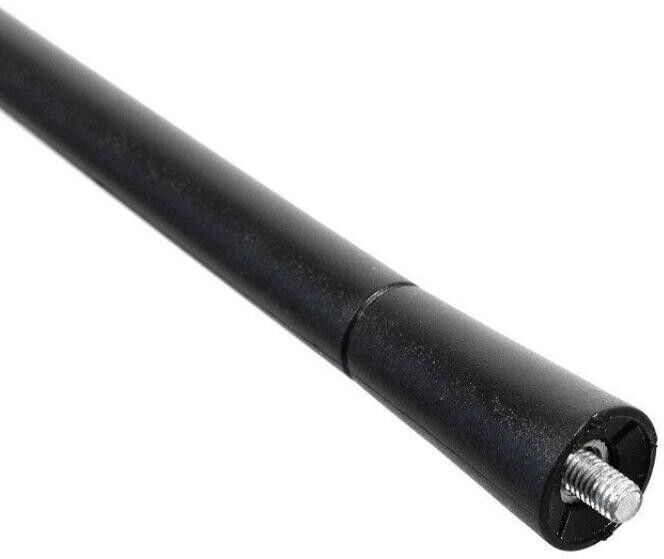
Similar search terms for Compass-Accessories-03174-Aerial
Top-Angebote
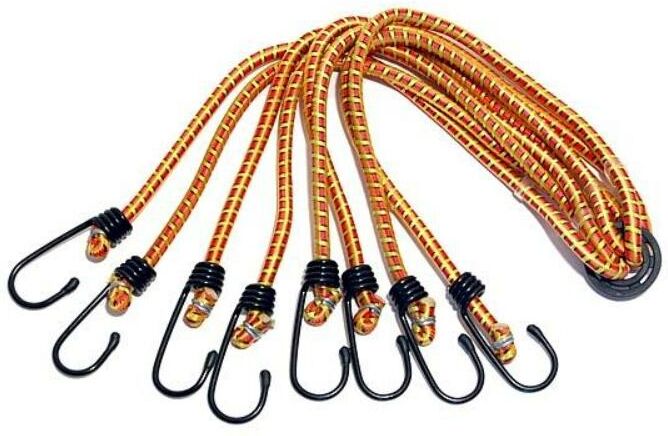
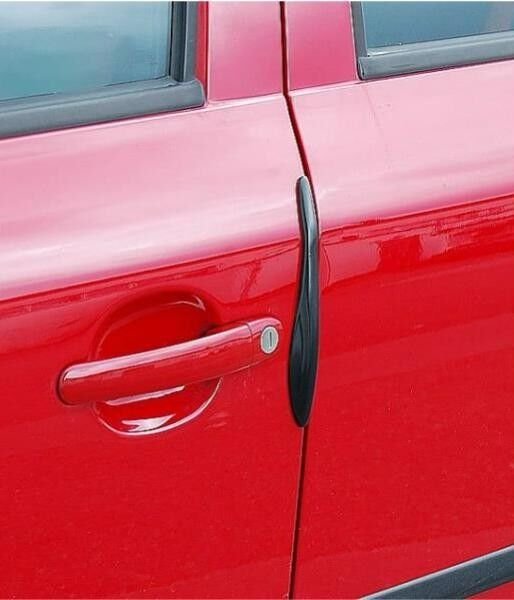
Products related to Compass-Accessories-03174-Aerial:


-
What are aerial roots in Dieffenbachia?
Aerial roots in Dieffenbachia are specialized roots that grow above the ground and are used for support and anchorage. They are often found on the stems of the plant and can grow into the surrounding air. These roots help the plant to stabilize itself and absorb moisture and nutrients from the air. Aerial roots are a natural adaptation of Dieffenbachia to its environment, allowing it to thrive in its natural habitat. **
-
Who invented the compass?
The compass was invented by the Chinese during the Han Dynasty, around the 2nd century BC. **
-
Is the compass broken?
Without more information or context, it is impossible to determine if the compass is broken. To determine if the compass is broken, one would need to check if the needle is moving freely, if there are any visible damages, or if it is functioning properly when compared to a known direction. If the compass is not pointing north or is not responding correctly, it may be broken and in need of repair or replacement. **
-
Search for a compass.
You can search for a compass at outdoor recreation stores, camping supply stores, or online retailers. Look for a compass that is durable, accurate, and easy to read. Consider features such as a liquid-filled capsule for stability, a clear base plate for map reading, and a declination adjustment for precise navigation. Make sure to choose a compass that suits your specific needs, whether it's for hiking, backpacking, orienteering, or general outdoor use. **

Where can I get historical aerial photographs?
You can get historical aerial photographs from a variety of sources such as government agencies, historical societies, libraries, and online archives. Many government agencies, such as the US Geological Survey and the National Archives, have collections of historical aerial photographs that are available to the public. Additionally, some online platforms, like Google Earth and Historic Aerials, offer access to historical aerial imagery for specific locations. Libraries and historical societies may also have collections of aerial photographs that are accessible to researchers and the public. **
Can the aerial silk be hung outside?
Yes, aerial silk can be hung outside, but there are some considerations to keep in mind. It is important to ensure that the silk is hung in a safe and secure manner, using strong and reliable rigging equipment. Additionally, exposure to the elements such as sun, wind, and rain can cause wear and tear on the silk, so it is important to regularly inspect and maintain the equipment. Finally, it is important to consider the safety of the performer and ensure that the outdoor environment is suitable for aerial silk performance. **
Top-Angebote
Products related to Compass-Accessories-03174-Aerial:
-
For beginners: Aerial silks acrobatics.
Aerial silks acrobatics is a beautiful and challenging form of aerial art that involves performing acrobatic moves while suspended from two long pieces of fabric. For beginners, it is important to start with a strong foundation of basic skills such as climbing, foot locks, and inversions. Building upper body and core strength is essential to progress in aerial silks. It is also important to focus on proper technique and body alignment to prevent injuries and improve performance. With dedication and practice, beginners can gradually advance to more complex and dynamic moves in aerial silks acrobatics. **
-
How do you mount a compass attachment onto the compass?
To mount a compass attachment onto a compass, first ensure that the attachment is compatible with the specific model of compass. Then, carefully align the attachment with the designated mounting area on the compass. Depending on the design, you may need to use screws, adhesive, or other fastening methods to secure the attachment in place. It's important to follow the manufacturer's instructions and make sure the attachment is securely mounted to ensure accurate readings. **
-
What are aerial roots in Dieffenbachia?
Aerial roots in Dieffenbachia are specialized roots that grow above the ground and are used for support and anchorage. They are often found on the stems of the plant and can grow into the surrounding air. These roots help the plant to stabilize itself and absorb moisture and nutrients from the air. Aerial roots are a natural adaptation of Dieffenbachia to its environment, allowing it to thrive in its natural habitat. **
-
Who invented the compass?
The compass was invented by the Chinese during the Han Dynasty, around the 2nd century BC. **
Similar search terms for Compass-Accessories-03174-Aerial
-
Is the compass broken?
Without more information or context, it is impossible to determine if the compass is broken. To determine if the compass is broken, one would need to check if the needle is moving freely, if there are any visible damages, or if it is functioning properly when compared to a known direction. If the compass is not pointing north or is not responding correctly, it may be broken and in need of repair or replacement. **
-
Search for a compass.
You can search for a compass at outdoor recreation stores, camping supply stores, or online retailers. Look for a compass that is durable, accurate, and easy to read. Consider features such as a liquid-filled capsule for stability, a clear base plate for map reading, and a declination adjustment for precise navigation. Make sure to choose a compass that suits your specific needs, whether it's for hiking, backpacking, orienteering, or general outdoor use. **
-
Where can I get historical aerial photographs?
You can get historical aerial photographs from a variety of sources such as government agencies, historical societies, libraries, and online archives. Many government agencies, such as the US Geological Survey and the National Archives, have collections of historical aerial photographs that are available to the public. Additionally, some online platforms, like Google Earth and Historic Aerials, offer access to historical aerial imagery for specific locations. Libraries and historical societies may also have collections of aerial photographs that are accessible to researchers and the public. **
-
Can the aerial silk be hung outside?
Yes, aerial silk can be hung outside, but there are some considerations to keep in mind. It is important to ensure that the silk is hung in a safe and secure manner, using strong and reliable rigging equipment. Additionally, exposure to the elements such as sun, wind, and rain can cause wear and tear on the silk, so it is important to regularly inspect and maintain the equipment. Finally, it is important to consider the safety of the performer and ensure that the outdoor environment is suitable for aerial silk performance. **
* All prices are inclusive of VAT and, if applicable, plus shipping costs. The offer information is based on the details provided by the respective shop and is updated through automated processes. Real-time updates do not occur, so deviations can occur in individual cases. ** Note: Parts of this content were created by AI.